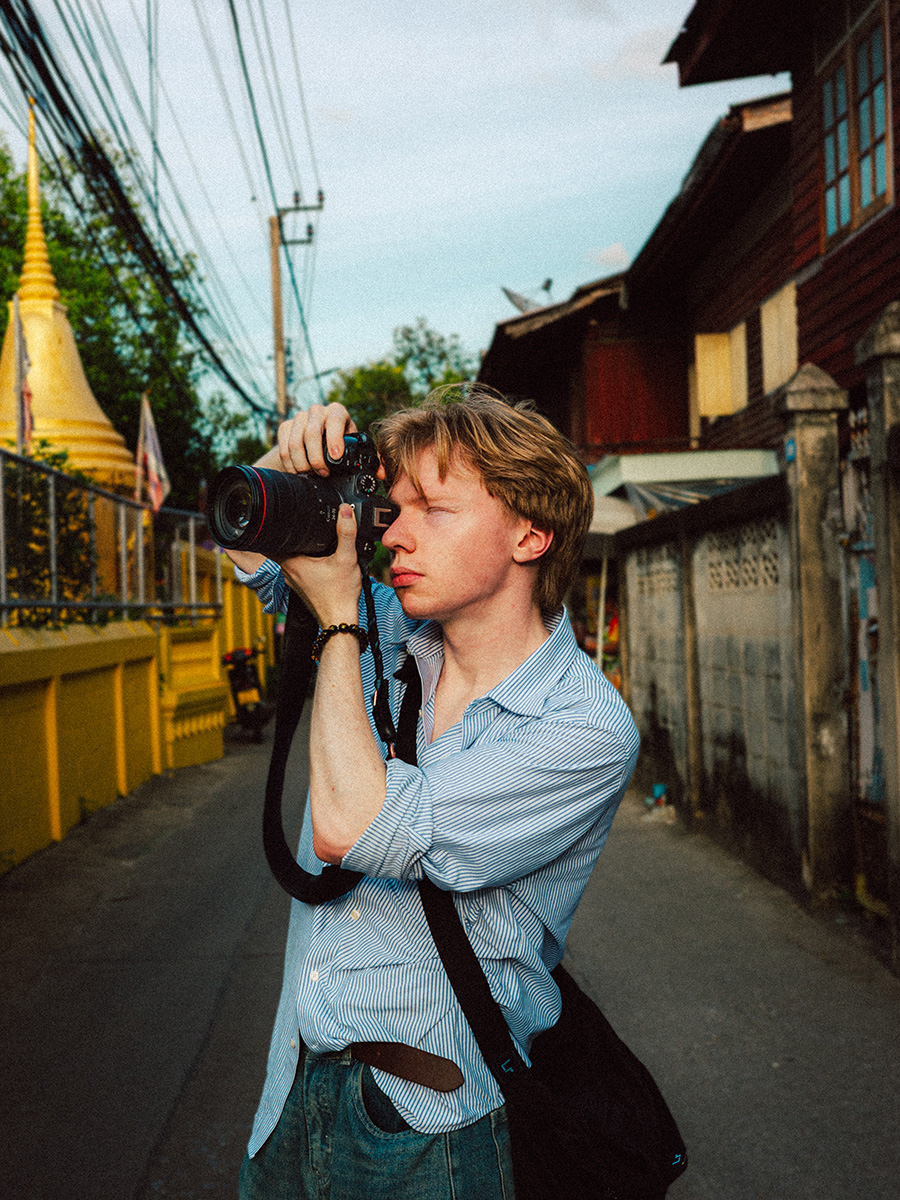
“Don’t overthink how a scene should be captured – just focus on how it makes you feel.”
CAPTURING EMOTION: TRANSLATING VAST LANDSCAPES INTO PERSONAL STORIES
Landscape photography can feel intimidating. Capturing ancient, grand spaces is a daunting task. But for Vancouver-based creator Matt Solie (known online as Ayitsphotography), that unfamiliarity is exactly what makes a photo special.
“Travel and landscape shots are driven by emotion,” Matt explains. “If a scene felt grand or small, colourful or quiet, capture that feeling. It builds into a photo only you can create, allowing you to put your own spin on it.”
THE PERSPECTIVE OF SCALE
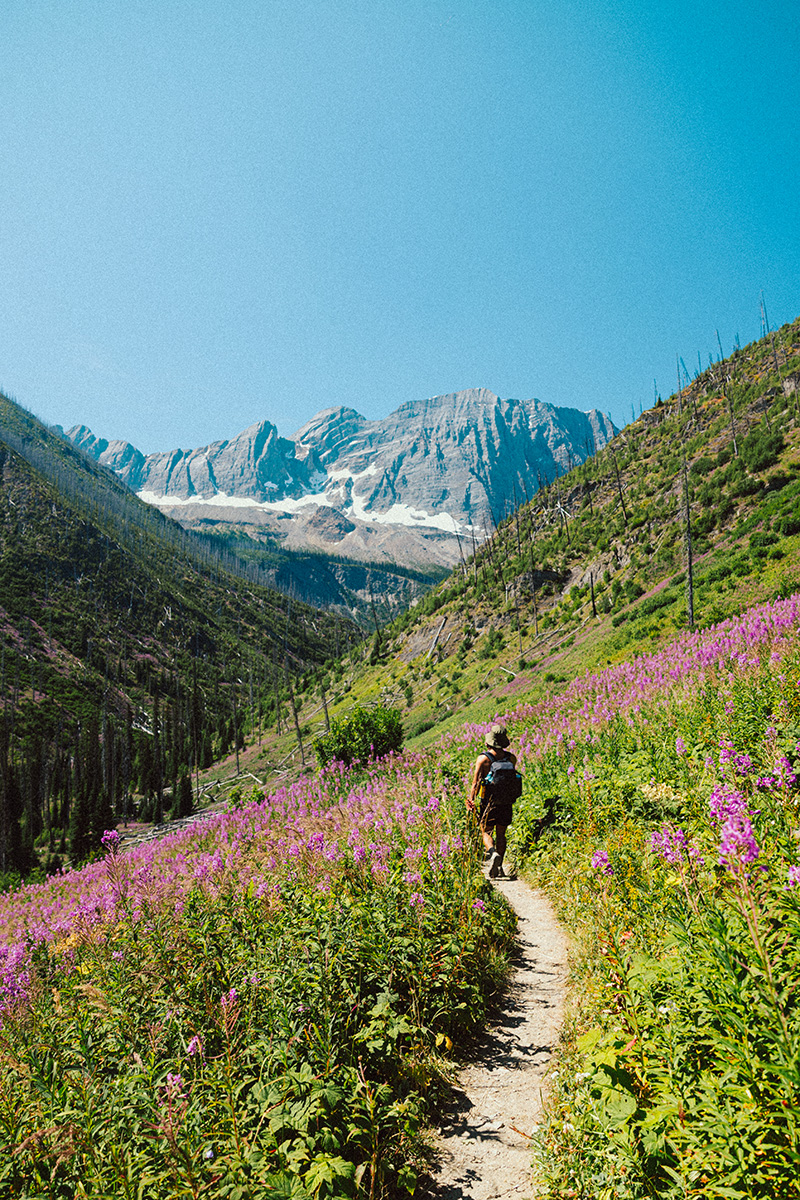
Translating a place’s physical size onto a flat image is a common hurdle. To bridge this, Matt relies on wide-angle lenses, using close-up foreground details to build deep perspective.
“Wide-angle lenses offer a perspective that’s truly up to your eye,” Matt says. “By placing foreground elements like flowers or grass very close to the lens, you create a direct contrast with a massive mountain in the distance. It instantly gives the viewer a sense of being right there.”
GROUNDING THE NIGHT SKY
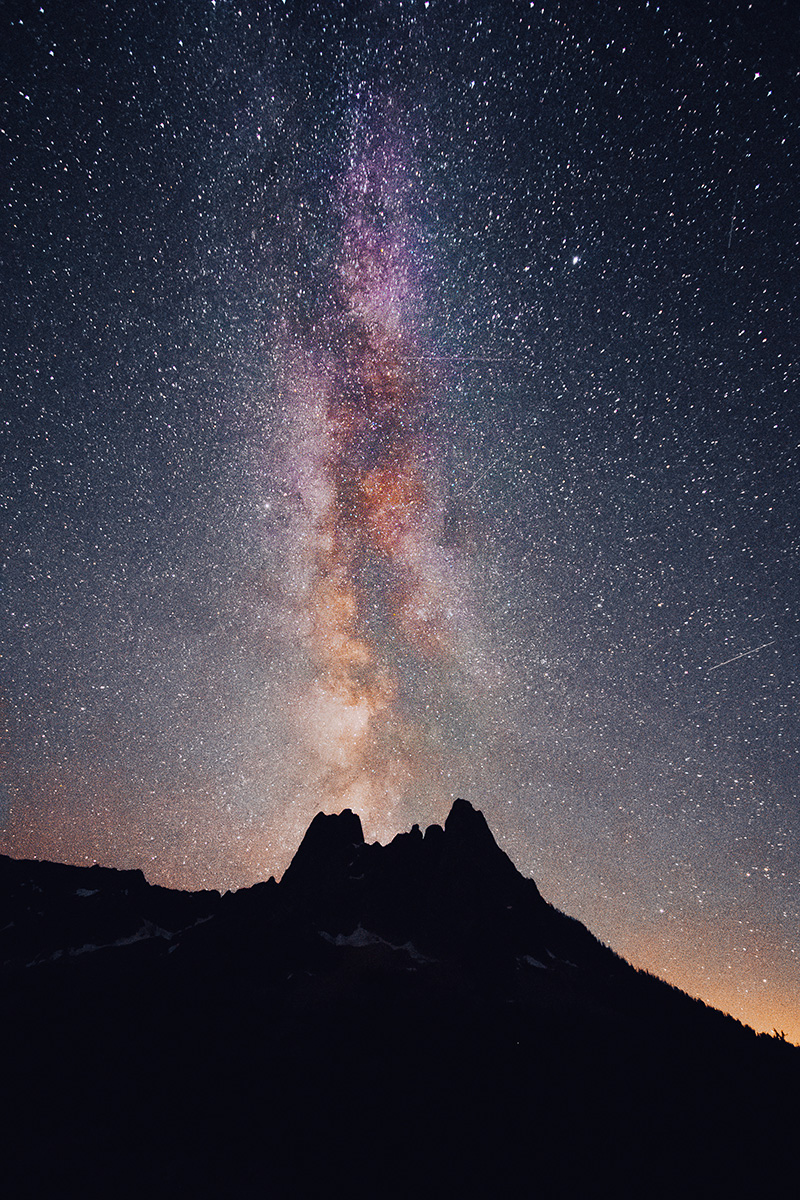
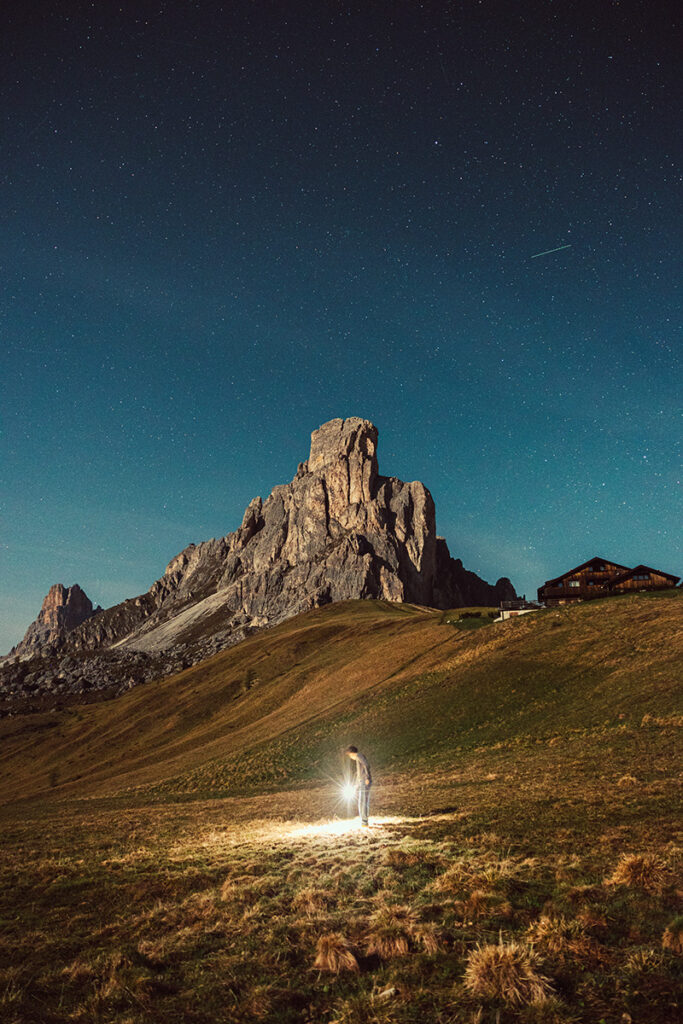
This philosophy of scale also applies to astrophotography. The night sky has captivated humankind since the beginning of time, and capturing that immense feeling is incredibly rewarding. While Matt recommends wide focal lengths between 14mm and 20mm, his crucial tip is to always anchor the vastness.
“Always ground your image,” Matt advises. “Include a tree, a person, or a silhouette in the foreground. It gives the viewer a familiar reference point and puts the grand scale of space into true perspective.”
THE COLOUR CANVAS
For Matt, a RAW file is like an empty canvas – neutral and waiting for an emotional touch in the editing room. Colour is his primary storytelling tool, matching the post-processing directly to the mood of the moment.
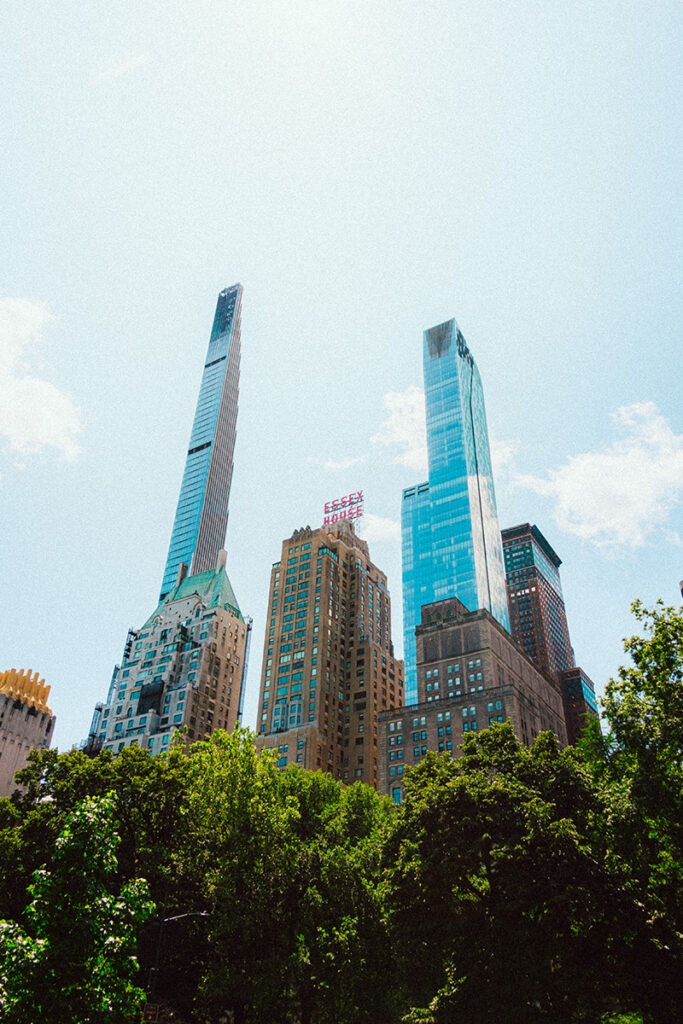
“Editing is where you can change colours and contrast to reflect the emotion you felt,” says Matt. “If a scene was sunny and bright, I’ll boost the saturation and use warmer, more vibrant tones. If it felt slow, quiet, or moody, I’ll up the contrast, lower the brightness, and lean into cooler, monochrome tones.”
FINDING YOUR VOICE IN THE UNFAMILIAR
Ultimately, Matt’s advice for emerging creators is to skip the pressure of perfection and focus on the joy of the attempt. Rather than obsessing over technical rules, he encourages you to pick up a camera and simply shoot without fear of failure.
“Don’t worry if your first shots aren’t exactly what you wanted,” Matt says. “With digital cameras, practising doesn’t cost you anything. Get out there, play with different focal lengths, and focus on capturing your personal experience. The more you experiment, the more you’ll find your own style.”
Related Products